
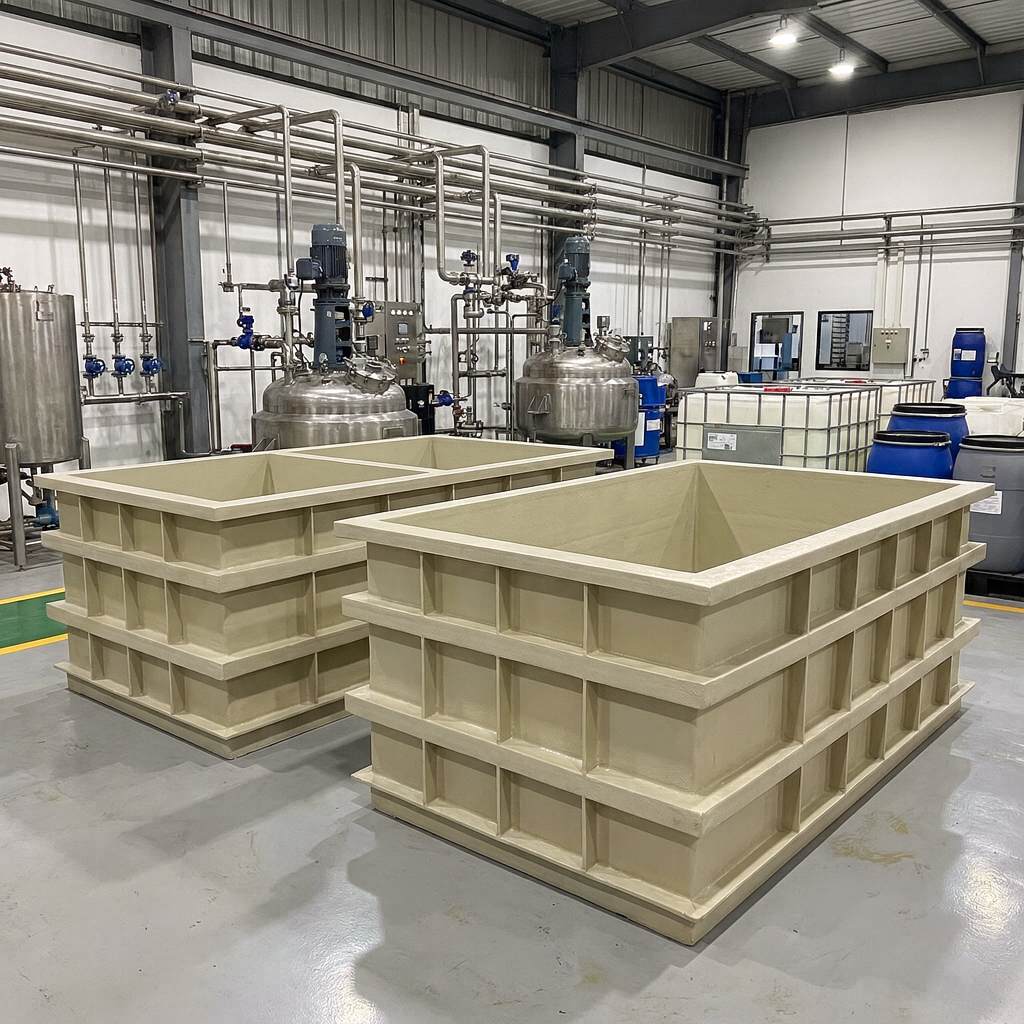
corrosion resistant PP tanks
In the demanding landscape of modern industry, the integrity of storage and processing equipment is paramount. When dealing with aggressive chemicals, corrosive substances, or reactive compounds, the choice of tank material can mean the difference between seamless operation and costly downtime. Corrosion resistant PP tanks, crafted from high-performance polypropylene, have emerged as a superior solution, offering exceptional chemical resilience, durability, and cost-effectiveness. Veer Technoplast Industries stands at the forefront of manufacturing these essential tanks, providing tailored solutions for a wide spectrum of industrial applications.
Understanding Corrosion Resistant PP Tanks
Corrosion resistant PP tanks are specifically engineered to contain substances that would rapidly degrade conventional materials like carbon steel or even some stainless steels. Polypropylene (PP), a thermoplastic polymer, is inherently resistant to a broad range of chemicals, including many acids, alkalis, and solvents. This resistance prevents the tank material from breaking down, leaching contaminants into the stored product, or causing structural failure.
Unlike metal tanks that are susceptible to rust and electrochemical corrosion, PP tanks offer a passive barrier. Their construction can also prevent leaks, ensuring the safety of personnel and the environment. Veer Technoplast Industries utilizes 100% virgin raw material to guarantee the highest standards of durability and performance in their PP tank offerings, ensuring that each unit is built to last and withstand challenging industrial conditions.
Diverse Applications Across Industries
The versatility and robust chemical resistance of PP tanks make them indispensable across numerous sectors. Veer Technoplast Industries caters to a wide array of these industries, providing custom-built designs to meet specific operational requirements.
Chemical Processing
Storing and processing acids, alkalis, solvents, and various chemical intermediates without risk of degradation or contamination.
Water Treatment
Holding treatment chemicals, process water, or wastewater, benefiting from PP's inert nature and resistance to waterborne corrosive agents.
Pharmaceuticals
Ensuring the purity of sensitive medications and bulk pharmaceutical chemicals due to PP's non-reactive and non-leaching properties.
Metal Finishing & Electroplating
Utilized in plating baths, rinse tanks, and pickling processes, resisting corrosive plating solutions and acids.
Textile & Dyeing
Ideal for dye baths, chemical mixing, and storage of processing solutions, preventing fabric abrasion and ensuring chemical integrity.
Food & Beverage
Storing food-grade chemicals, processing aids, or water, where hygiene and inertness are crucial.
Steel & Galvanizing
Essential for acid pickling lines, flux stages, and rinsing processes in steel treatment and hot-dip galvanizing.
Agriculture & Fertilizers
Safely storing fertilizers, pesticides, and other agricultural chemicals that can be corrosive.
Key Benefits of PP Tanks
Investing in corrosion resistant PP tanks from Veer Technoplast Industries brings a multitude of advantages:
- Superior Chemical Resistance: PP effectively resists a wide array of acids (e.g., hydrochloric up to 20%, sulfuric up to 50%) and alkalis, significantly outperforming many traditional materials.
- Durability & Longevity: Manufactured from 100% virgin raw material, these tanks are built for extended service life, even in aggressive chemical environments.
- Leak-Free & Corrosion-Proof: The inherent properties of PP ensure tanks remain free from rust and leaks, enhancing safety and product integrity.
- Lightweight Design: Compared to metal equivalents, PP tanks are lighter, facilitating easier installation and transport.
- Low Maintenance: Their non-corrosive nature means minimal upkeep, reducing operational costs.
- Cost-Effectiveness: While offering premium performance, PP tanks often present a more economical long-term solution than tanks made from specialized alloys or lined metals.
- Temperature Tolerance: Suitable for a range of operating temperatures, maintaining integrity with both hot and cold substances.
- Customization: Veer Technoplast Industries specializes in custom-built designs, ensuring the tank precisely fits your specific process needs.
Selecting the Right Corrosion Resistant PP Tank
Choosing the appropriate PP tank involves careful consideration of your specific operational needs. Veer Technoplast Industries guides you through the selection process.
Essential Considerations:
- Chemical Compatibility: Identify all chemicals to be stored or processed, their concentrations, and operating temperatures. Ensure the PP grade is suitable for these specific conditions.
- Volume and Dimensions: Determine the required capacity and available space for installation. Custom fabrication allows for precise sizing.
- Operating Conditions: Consider factors like pressure, ambient temperature, and potential for physical impact.
- Ancillary Requirements: Think about necessary fittings, connections, lids, and any specialized features like heating or cooling jackets.
- Regulatory Compliance: Ensure the tank material and design meet any relevant industry standards or regulations for your application.
Buyer Insight: When dealing with particularly aggressive chemicals or extreme conditions, consider PPFRP (Polypropylene/Fiber-Reinforced Plastic) tanks. These combine the excellent chemical resistance of an inner PP layer with the high mechanical strength of an FRP outer layer, offering enhanced durability and structural integrity.
Quality Assurance at Veer Technoplast Industries
Veer Technoplast Industries is committed to quality, using only 100% virgin raw material. Each tank is manufactured with precision to ensure it is corrosion-proof and leak-free, meeting the stringent demands of industrial applications. The company's ability to offer custom-built designs means that your specific requirements for dimensions, fittings, and configurations are meticulously addressed.
Questions to Ask Before Buying:
To ensure you receive the optimal solution, consider asking prospective suppliers:
What specific PP grade do you use, and what is its chemical resistance profile?
Understanding the exact grade of polypropylene and its documented resistance to your specific chemicals and concentrations is crucial.
Can you provide custom fabrication to match our exact dimensions and connection requirements?
Confirming the ability to tailor the tank to your plant layout and process flow is essential for seamless integration.
How do you ensure the tanks are leak-proof and corrosion-proof?
Inquire about their manufacturing processes, quality control measures, and any testing performed on the finished product.
What are the benefits of your tanks compared to alternative materials like HDPE or FRP for my application?
A good supplier can help you weigh the pros and cons of different materials based on your specific needs.
Veer Technoplast Industries: Your Partner for PP Tanks
Veer Technoplast Industries leverages its expertise to deliver high-performance corrosion resistant PP tanks. Whether you require standard configurations or highly specialized, custom-built solutions, the company is equipped to meet your needs. Their commitment to using premium, virgin raw materials ensures that you receive products that are not only durable and resistant but also safe and reliable for your critical industrial processes. Serving industries from chemical processing and pharmaceuticals to metal finishing and agriculture, Veer Technoplast provides tanks designed for longevity and operational excellence.
Frequently Asked Questions
Are PP tanks suitable for storing strong acids?
Yes, polypropylene (PP) offers excellent resistance to many strong acids, including hydrochloric acid up to 20% and sulfuric acid up to 50%, making PP tanks a preferred choice for acid storage in various industries.
What is the difference between PP tanks and HDPE tanks?
While both are plastics, PP generally offers higher temperature resistance and stiffness compared to HDPE. PP also has slightly broader chemical resistance in some specific applications, though HDPE is also highly versatile and cost-effective for many uses.
Can PP tanks be used for high-temperature applications?
PP tanks have a good temperature tolerance, typically suitable for continuous operating temperatures up to around 80°C (176°F), depending on the specific grade and load. However, extreme high temperatures may require specialized materials or designs.
How do I maintain a corrosion resistant PP tank?
PP tanks are low maintenance due to their inherent resistance. Routine visual inspections for damage or leaks are recommended. Cleaning can usually be done with mild detergents and water, avoiding abrasive materials.
Ready for a Reliable Storage Solution?
Ensure your operations are protected with durable, high-performance corrosion resistant PP tanks. Veer Technoplast Industries offers expert consultation and custom fabrication to meet your unique industrial demands. Contact us today to discuss your project and get a tailored solution.