
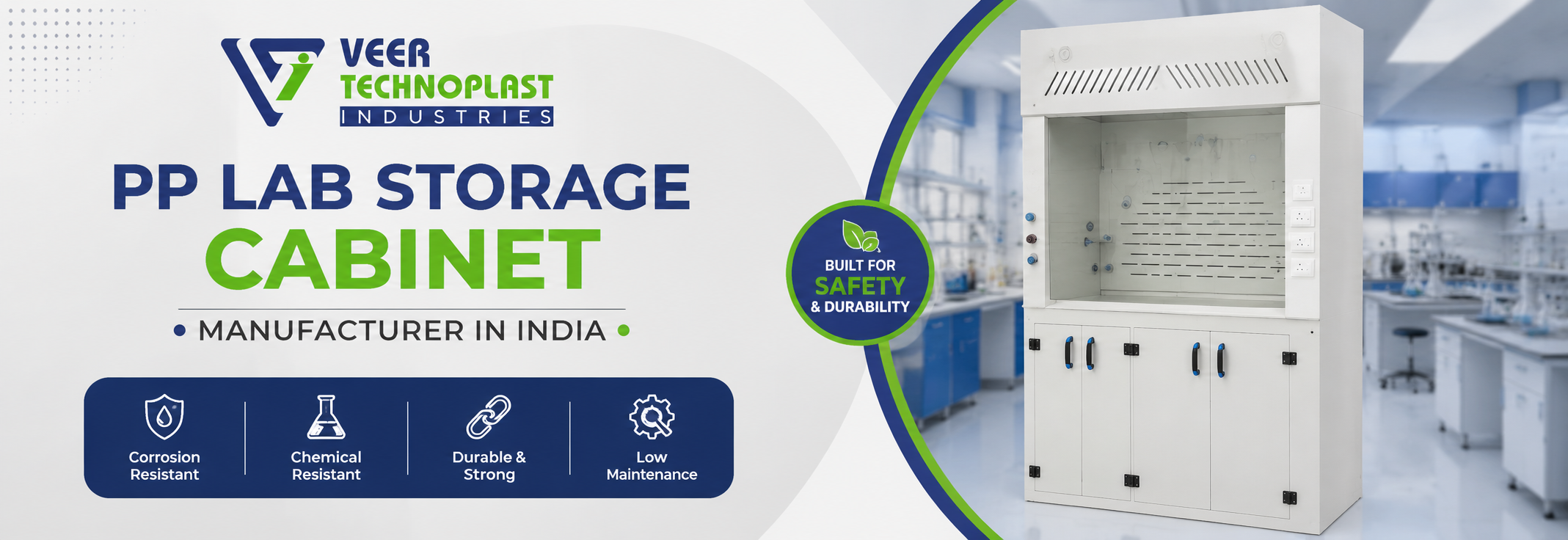
PP Lab Storage Cabinet manufacturer in INDIA
Understand the critical role of PP lab storage cabinets in India's industrial and research sectors. Learn how to choose durable, compliant solutions for chemica
Why This Matters in India
India's rapidly expanding pharmaceutical, chemical, biotechnology, and research sectors demand stringent safety protocols and high-quality infrastructure. With increasing investments in R&D and manufacturing, laboratories require specialized storage that can withstand corrosive environments and meet evolving regulatory standards. Manufacturers in India play a vital role in supplying these critical components, ensuring local availability of compliant and durable PP lab storage cabinets that support the nation's scientific and industrial growth. The focus on localized manufacturing also contributes to faster delivery and tailored solutions for specific regional needs.
What is a PP Lab Storage Cabinet — Overview
A PP lab storage cabinet is a specialized piece of laboratory furniture constructed primarily from polypropylene, a thermoplastic polymer known for its excellent chemical resistance, high strength-to-weight ratio, and durability. These cabinets are designed to safely store acids, bases, solvents, and other corrosive or hazardous substances, protecting them from external contamination and preventing leaks or spills from affecting the surrounding environment. Their construction typically involves solid PP sheets, welded together to form a seamless, robust enclosure, often featuring integrated ventilation systems and spill containment trays.
Key Features and Technical Specifications
- High Chemical Resistance: Constructed from virgin polypropylene sheets, offering superior resistance to a wide range of acids, alkalis, and organic solvents.
- Seamless Welded Construction: Ensures leak-proof integrity and enhanced structural stability, critical for containing hazardous materials.
- Integrated Ventilation Ports: Designed to connect to external exhaust systems, facilitating the removal of noxious fumes and maintaining air quality.
- Adjustable Shelving: Allows for flexible storage configurations to accommodate various container sizes and types.
- Spill Containment Trays: Built-in or removable trays at the bottom to safely collect accidental spills, preventing floor contamination.
- Corrosion-Resistant Hardware: Hinges, handles, and locking mechanisms made from PP or other non-corrosive materials to ensure long-term functionality.
- Double-Walled Design: Offers an additional layer of protection and insulation for enhanced safety.
- Fire Retardant Properties: PP material inherently possesses certain fire-retardant characteristics, adding an extra layer of safety.
Industrial Applications and Use Cases
- Pharmaceutical Laboratories: Storing reagents, active pharmaceutical ingredients (APIs), and solvents used in drug discovery and quality control.
- Chemical Manufacturing Units: Housing corrosive chemicals, acids, and bases required for various synthesis and processing operations.
- Biotechnology Research Facilities: Providing safe storage for culture media, buffers, and other sensitive biological reagents.
- Educational Institutions: Equipping school and university laboratories with secure storage for chemicals used in experiments and demonstrations.
- Environmental Testing Labs: Storing samples, analytical reagents, and standards for water, soil, and air quality analysis.
- Food and Beverage Industry: Securing cleaning agents, sanitizers, and testing chemicals away from production areas.
- Metallurgical and Material Science Labs: Storing etching solutions, polishing agents, and other corrosive materials for sample preparation.
How to Choose the Right PP Lab Storage Cabinet
Selecting the appropriate PP lab storage cabinet involves a careful assessment of several factors to ensure it meets specific laboratory requirements and safety standards. A well-informed decision protects both personnel and valuable materials.
- Chemical Compatibility: Verify that the cabinet's polypropylene material is resistant to the specific chemicals intended for storage. Consult chemical resistance charts.
- Ventilation Requirements: Determine if the cabinet needs to be connected to a dedicated exhaust system for fume extraction, especially for volatile substances.
- Storage Capacity and Dimensions: Assess the volume and size of containers to be stored, ensuring the cabinet offers adequate space and fits within the available lab footprint.
- Safety Features: Look for features like spill containment, secure locking mechanisms, and robust door seals to prevent leaks and unauthorized access.
- Compliance and Certifications: Confirm that the cabinet meets relevant national and international safety standards for laboratory equipment and chemical storage.
- Supplier Experience and Reputation: Choose a manufacturer with a proven track record in fabricating high-quality, durable plastic process equipment.
- Customization Options: Consider if the manufacturer can provide tailored designs, such as specific shelving configurations or integrated services, to suit unique lab needs.
- After-Sales Support: Evaluate the availability of installation assistance, maintenance guidance, and spare parts from the supplier.
Quality Standards and Compliance
For PP lab storage cabinets, adherence to quality standards and compliance is not merely a recommendation but a necessity for safety and operational integrity. Buyers should verify that cabinets meet relevant industrial standards such as ISO 9001 for quality management in manufacturing. Specific material standards for polypropylene, ensuring its purity and chemical resistance properties, are also important. Additionally, compliance with local safety regulations for chemical storage, often guided by industrial health and safety guidelines, is paramount. Reputable manufacturers will provide documentation and certifications to confirm their products meet these critical benchmarks, ensuring peace of mind for lab managers.
Why Company Experience and Capability Matters
The manufacturing of specialized equipment like PP lab storage cabinets demands significant technical expertise and a deep understanding of material science. Veer Technoplast Industries brings years of experience in designing and fabricating high-quality plastic process equipment and storage solutions. Our capability extends to working with Polypropylene (PP), HDPE, PVC, and FRP, ensuring that each product, including lab storage cabinets, is engineered for chemical resistance, durability, and performance. We focus on precision manufacturing processes, employing skilled technicians and robust quality control measures at every stage. This commitment ensures that our cabinets are not only structurally sound but also meet the rigorous demands of industrial and research environments. Our team's experience allows for effective customization to address specific client requirements, from unique dimensions to integrated ventilation designs, backed by reliable delivery and comprehensive after-sales support.
Installation, Maintenance and Care Tips
Proper installation and routine maintenance are crucial for extending the lifespan and ensuring the safe operation of PP lab storage cabinets.
Installation
Ensure the cabinet is placed on a level, stable surface, away from direct heat sources or open flames.
If equipped with ventilation ports, connect them to a dedicated and properly functioning exhaust system, ensuring airtight seals.
Verify that doors open and close smoothly and that locking mechanisms engage securely.
Daily Care:
Wipe down exterior and interior surfaces regularly with a mild detergent solution or water to remove dust and chemical residues.
Immediately clean up any spills within the cabinet using appropriate personal protective equipment and spill kits.
Check that all containers are properly sealed before placing them in the cabinet.
Periodic Maintenance:
Inspect the cabinet for any signs of material degradation, cracks, or damage, especially around welded seams.
Examine hinges, latches, and locking mechanisms for wear and tear, lubricating if necessary with chemical-resistant lubricants.
Confirm the functionality of the ventilation system, if applicable, ensuring proper airflow and no blockages.
Regularly empty and clean spill containment trays.
- Chemical Compatibility: Always store only chemicals compatible with polypropylene and avoid overloading shelves beyond their rated capacity.
Frequently Asked Questions
Polypropylene is highly valued for lab storage cabinets due to its exceptional resistance to a broad spectrum of corrosive chemicals, including strong acids, bases, and many organic solvents. Its non-porous surface is easy to clean and prevents chemical absorption, which minimizes contamination risks. Additionally, PP is durable, lightweight, and offers good structural integrity, making it a reliable choice for demanding laboratory environments where safety and longevity are paramount.
Yes, reputable manufacturers often provide customization options for PP lab storage cabinets. This can include variations in dimensions, the number and adjustability of shelves, specific ventilation port configurations, and even integrated features like electrical outlets or specialized locking systems. Customization ensures the cabinet perfectly fits the available space and meets the unique storage and safety requirements of a particular laboratory or industrial application.
PP lab storage cabinets significantly enhance laboratory safety by providing a secure and chemically resistant environment for hazardous materials. They prevent accidental spills from spreading, contain corrosive fumes when connected to ventilation, and protect chemicals from external contamination. Their robust construction and secure locking mechanisms also deter unauthorized access, ensuring that dangerous substances are handled and stored responsibly, thereby minimizing risks to personnel and the facility.
A well-constructed and properly maintained PP lab storage cabinet can have a substantial lifespan, often exceeding 10-15 years, even in demanding laboratory conditions. The durability of polypropylene, coupled with its resistance to chemical degradation, contributes to its longevity. Regular cleaning, prompt spill management, and periodic inspection of structural integrity and hardware are key factors in maximizing the operational life of these essential storage units.
While PP lab storage cabinets offer excellent chemical resistance, they are generally not designed for the primary storage of highly flammable liquids. For flammable liquids, specialized fire-rated safety cabinets, typically constructed from steel with specific fire suppression features, are required to comply with fire safety regulations. PP cabinets are ideal for corrosive non-flammable or low-flammable chemicals, but it is crucial to consult safety data sheets and local regulations for specific storage guidelines.
Maintenance for the ventilation system in a PP lab storage cabinet typically involves regular checks to ensure proper airflow and to prevent blockages. This includes inspecting the fan, ductwork, and filters (if present) for any accumulation of dust or chemical residues. Filters should be replaced according to manufacturer recommendations or when airflow is noticeably reduced. Ensuring the system is free from obstructions and operating efficiently is vital for effective fume extraction and maintaining a safe laboratory atmosphere.
Conclusion
The selection of PP lab storage cabinets is a critical decision for any facility handling chemicals in India's growing industrial and research landscape. These specialized units are fundamental for maintaining safety, ensuring compliance, and protecting valuable materials. Understanding the material properties, key features, and the importance of choosing an experienced manufacturer is paramount. By focusing on quality standards, robust construction, and reliable after-sales support, facilities can invest in storage solutions that offer long-term durability and contribute significantly to a safer, more efficient working environment.
Get In Touch
Veer Technoplast Industries