

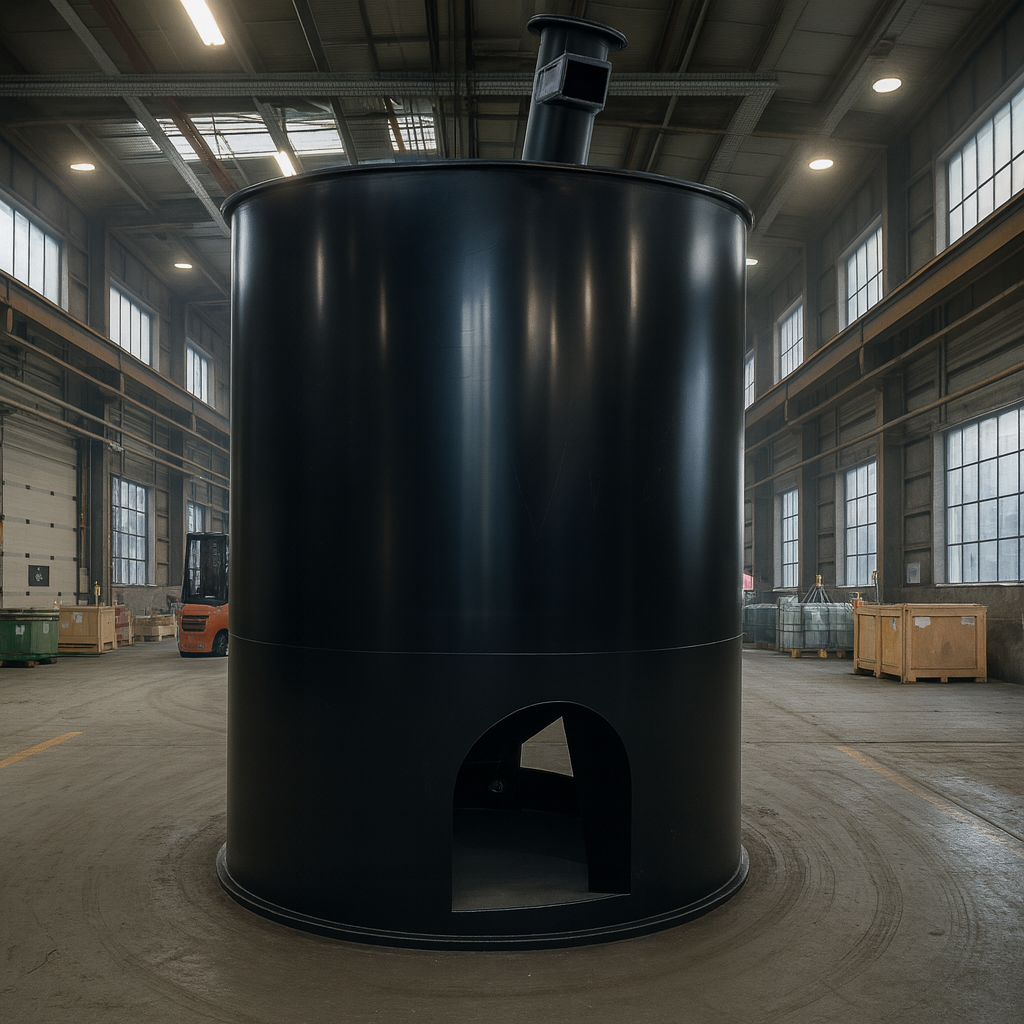
cost of PP/HDPE storage tanks
When considering storage solutions for liquids, chemicals, or raw materials, the cost of PP/HDPE storage tanks is a significant factor for businesses across numerous industries. These versatile plastic tanks offer a compelling blend of durability, chemical resistance, and cost-effectiveness compared to traditional materials. However, the final price isn't a one-size-fits-all number. Understanding the various elements that contribute to the overall expense is crucial for making a wise investment. This guide delves into the critical factors that determine the cost of PP/HDPE storage tanks, helping you navigate the options and select the right solution for your specific needs.
Understanding PP and HDPE Storage Tanks
Polypropylene (PP) and High-Density Polyethylene (HDPE) are thermoplastic polymers widely favored for manufacturing storage tanks due to their exceptional properties. PP offers excellent resistance to a broad range of chemicals and a higher temperature tolerance than many other plastics. HDPE, known for its toughness and impact resistance, is also highly resistant to many common chemicals and acids. Both materials provide a corrosion-resistant alternative to metal tanks, which can degrade over time, especially when storing aggressive substances.
VEER TECHNOPLAST INDUSTRIES leverages these material strengths to produce a variety of storage tanks, including vertical and horizontal configurations, as well as specialized chemical storage tanks. These products are designed to meet the demanding requirements of various industrial applications where reliability and longevity are paramount.
Key Factors Influencing the Cost of PP/HDPE Storage Tanks
The price of a PP or HDPE storage tank is influenced by a combination of technical specifications, material choices, and logistical considerations. Here are the primary drivers:
Tank Capacity (Volume)
Larger tanks naturally require more raw material and a more extensive manufacturing process, directly impacting the cost. The volume needed for your application is often the first determinant of price.
Wall Thickness and Material Grade
The thickness of the tank walls is engineered to withstand specific pressures and environmental stresses. Thicker walls mean more material and a higher cost. The specific grade of PP or HDPE used also plays a role, with some grades offering enhanced properties like UV resistance or impact strength at a premium.
Design Complexity and Fittings
Standard tank designs are generally more cost-effective. Tanks that require custom features such as specialized manways, multiple inlet/outlet fittings, specific nozzle configurations, or integrated platforms will incur additional manufacturing costs.
Manufacturing Process
Different manufacturing techniques, such as rotational molding or extrusion, can influence the cost. The complexity of the mold and the time required for production are also factored in.
Transportation and Logistics
The distance from the manufacturer to the delivery site and the size of the tank can significantly affect shipping costs. Larger tanks may require specialized transport, adding to the overall expense.
Installation and Ancillary Services
While not always included in the base tank price, costs associated with delivery, site preparation, installation, and any required ancillary equipment (like level indicators or heating systems) should be considered.
Applications of PP and HDPE Storage Tanks
The versatility and robust nature of PP and HDPE tanks make them indispensable in a wide array of sectors:
Chemical Processing
Storing corrosive acids, alkalis, solvents, and other aggressive chemicals safely and without degradation. VEER TECHNOPLAST INDUSTRIES' chemical storage tanks are designed for such demanding environments.
Water and Wastewater Treatment
Holding potable water, process water, wastewater, and various treatment chemicals. Their resistance to corrosion ensures water purity and long-term service life.
Pharmaceuticals
Storing purified water, buffers, and other sensitive solutions where material purity and inertness are critical.
Food and Beverage Industry
Storing ingredients, finished products, and cleaning solutions. Food-grade PP and HDPE tanks ensure product integrity and compliance.
Agriculture
Holding fertilizers, pesticides, water for irrigation, and other agricultural chemicals. Durability against weather and chemicals is key.
Industrial Manufacturing
Storing process fluids, coolants, lubricants, and waste materials.
Buyer Insight: Prioritize Long-Term Value
While the initial cost of PP/HDPE storage tanks is important, focus on the total cost of ownership. Consider the tank's lifespan, maintenance requirements, and resistance to your specific stored media. A slightly higher upfront investment for a tank with superior material grade or construction can lead to significant savings by preventing premature failure, leaks, and costly downtime.
Benefits of Choosing PP/HDPE Storage Tanks
- Corrosion Resistance: Unlike metal tanks, PP and HDPE do not rust or corrode, even when exposed to aggressive chemicals and environments.
- Durability: These materials are tough and can withstand impacts and stress, ensuring a long service life.
- Low Maintenance: They require minimal upkeep and are easy to clean, reducing operational burdens.
- Chemical Inertness: They do not react with most stored substances, preserving the purity of the contents.
- Cost-Effectiveness: Compared to stainless steel, fiberglass, or specialized alloys, PP and HDPE tanks offer a more economical solution for many applications.
- Lightweight: Easier to handle, transport, and install than tanks made from heavier materials.
Selecting the Right PP/HDPE Storage Tank: A Buyer's Guide
Making the optimal choice for your storage needs involves careful consideration. Here's a structured approach:
1. Define Your Storage Needs
- Substance(s) to be Stored: Identify the exact chemicals, liquids, or materials. Note their concentration, temperature, and potential corrosivity.
- Required Volume: Determine the operational volume needed, including any buffer for peak demand.
- Environmental Conditions: Consider the installation site – indoor/outdoor, exposure to UV, extreme temperatures, or physical impact.
2. Material Compatibility
- Verify that the chosen PP or HDPE grade is fully compatible with the stored substance. VEER TECHNOPLAST INDUSTRIES can advise on material suitability for various applications.
3. Design and Features
- Determine necessary fittings (inlets, outlets, vents), manway size and location, and any specific structural requirements (e.g., seismic bracing considerations).
- Consider vertical vs. horizontal orientation based on space constraints and application.
4. Regulatory Compliance
- Ensure the tank meets any relevant industry standards or local regulations for the intended use (e.g., for potable water, hazardous materials).
Why Choose VEER TECHNOPLAST INDUSTRIES for Your Storage Tank Needs?
VEER TECHNOPLAST INDUSTRIES is a dedicated manufacturer and supplier of high-quality plastic storage solutions, including a comprehensive range of PP and HDPE tanks. The company understands the critical role these tanks play in industrial operations and is committed to providing products that meet rigorous standards for durability and performance.
With options for vertical and horizontal storage, as well as specialized chemical tanks, VEER TECHNOPLAST INDUSTRIES offers versatile solutions tailored to diverse applications. Their commitment to utilizing robust materials like PP and HDPE ensures that clients receive tanks that are highly resistant to corrosion and chemical attack, providing a reliable and long-lasting storage infrastructure. By focusing on quality manufacturing processes, the company delivers products designed for safety and efficiency in sectors ranging from chemical processing to water treatment and beyond.
Frequently Asked Questions about PP/HDPE Storage Tanks
What makes PP and HDPE suitable for storage tanks?
PP and HDPE are chosen for their excellent chemical resistance, durability, impact strength, and non-corrosive nature, making them ideal for storing a wide variety of liquids and chemicals without degrading.
How does tank capacity affect the cost?
Larger capacity tanks require more raw material and a more involved manufacturing process, which generally increases the overall cost per unit.
Can these tanks store aggressive chemicals?
Yes, both PP and HDPE exhibit strong resistance to many acids, bases, and solvents. However, it's crucial to confirm compatibility with the specific chemical and its concentration.
Are PP and HDPE tanks expensive compared to other materials?
PP and HDPE tanks are often more cost-effective than tanks made from stainless steel, fiberglass, or specialty alloys, especially when considering their longevity and low maintenance requirements.
What is the role of wall thickness in tank cost?
Thicker walls provide greater structural integrity and pressure resistance, which is essential for certain applications. This increased material usage directly contributes to a higher tank cost.
Ready to Find Your Ideal Storage Solution?
Understanding the cost of PP/HDPE storage tanks is the first step toward securing a reliable and efficient storage system. VEER TECHNOPLAST INDUSTRIES offers a range of high-quality PP and HDPE tanks designed to meet diverse industrial demands. Contact us to discuss your specific requirements and get a tailored solution that balances performance, durability, and value.
Request a Quote Today


